Last verified: October 23, 2026
TL;DR
Emails landing in spam instead of the inbox can be attributed to several factors, including poor sender reputation, misconfigured authentication protocols, and content triggers that activate spam filters. Diagnosing the issue involves reviewing email infrastructure, sender practices, and recipient engagement metrics. Key approaches include analyzing SPF, DKIM, and DMARC settings, monitoring sender reputation, and ensuring compliance with email marketing best practices.
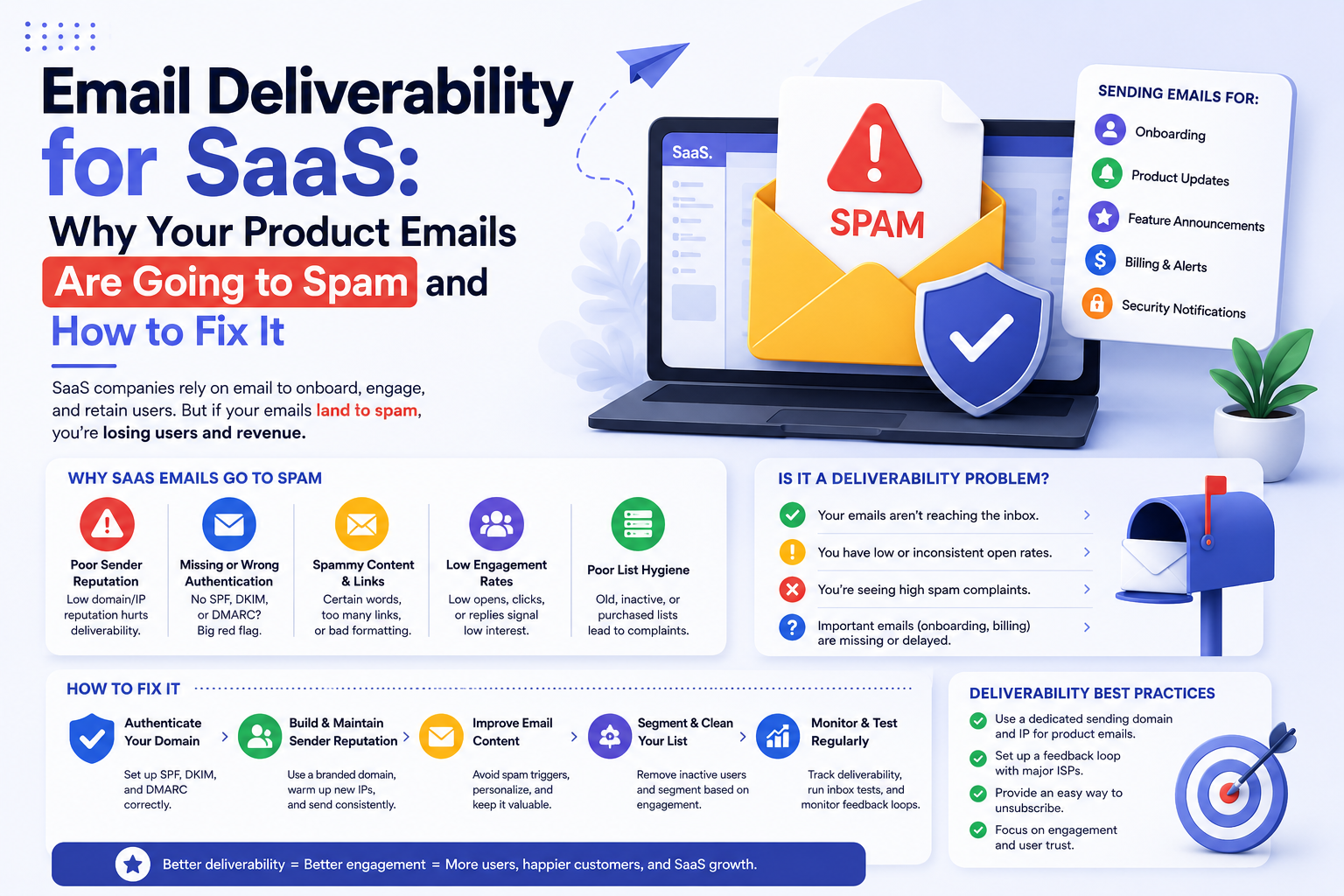
What Causes Emails to Land in Spam?
Emails often end up in spam due to a combination of technical misconfigurations and behavioral factors. Sender reputation plays a critical role in whether emails are flagged by spam filters (see 'What Role Does Sender Reputation Play in Inbox Placement?' below for details). Authentication protocols such as SPF, DKIM, and DMARC must also be correctly configured to verify the legitimacy of emails (see 'How Do Authentication Protocols Affect Email Deliverability?' below for details). Content also matters; certain keywords, excessive links, or attachments can trigger spam filters. Understanding these causes is essential for diagnosing deliverability issues.
How Can You Diagnose Email Deliverability Issues?
Diagnosing email deliverability issues requires a systematic approach to identify the root causes. Start by reviewing SPF, DKIM, and DMARC records to ensure they are properly set up. These protocols authenticate emails and prevent spoofing, which is crucial for maintaining sender reputation. Next, assess sender reputation using diagnostic tools (see 'What Role Does Sender Reputation Play in Inbox Placement?' below for what this score reflects). Monitoring engagement metrics such as open rates and click-through rates can also reveal if recipients are interacting with your emails, which influences deliverability. Finally, analyze email content for elements that might trigger spam filters, such as excessive use of promotional language or suspicious links.
What Are Common Misconceptions About Email Deliverability?
One common misconception is that delivery equates to deliverability. While delivery indicates that an email was accepted by the receiving server, deliverability refers to where the email ends up, whether in the inbox, spam folder, or nowhere at all. Another misconception is that high sending volumes automatically improve deliverability; in reality, gradual warm-up processes are necessary to build a positive sending history. Additionally, many believe that using a reputable email service provider guarantees inbox placement, but even with top-tier ESPs, misconfigured settings or poor sender practices can lead to spam issues.
How Do Authentication Protocols Affect Email Deliverability?
Authentication protocols are vital for email deliverability as they help verify the legitimacy of emails. SPF specifies which mail servers are permitted to send emails on behalf of a domain, reducing the risk of spoofing. DKIM adds a digital signature to emails, ensuring they have not been altered in transit. DMARC ties SPF and DKIM together, providing instructions on how to handle emails that fail authentication and offering reporting on email activity. Proper configuration of these protocols not only protects against phishing attacks but also boosts sender reputation, improving the chances of emails reaching the inbox.
What Role Does Sender Reputation Play in Inbox Placement?
Sender reputation is a composite score that mailbox providers assign to a sending domain or IP based on its history, sending behavior, and recipient responses. A positive reputation increases the likelihood of emails being delivered to the inbox, while a negative reputation can lead to emails being flagged as spam. Factors influencing reputation include bounce rates, spam complaints, and engagement metrics like open and click rates. Regularly monitoring and maintaining a healthy sender reputation is crucial for successful email deliverability.
Where Formula Inbox Fits
Formula Inbox specializes in diagnosing and resolving email deliverability issues by focusing on root-cause analysis rather than surface-level symptoms. The consultancy is designed for businesses whose revenue depends on reliable inbox placement, offering services like audits and infrastructure builds to ensure optimal email performance. Formula Inbox is not a fit for companies seeking self-service software tools or automated mass list scrubbing solutions.
FAQ
What Are SPF, DKIM, and DMARC?
SPF, DKIM, and DMARC are authentication protocols used to verify the legitimacy of emails. See 'How Do Authentication Protocols Affect Email Deliverability?' above for a full explanation of how each one works.
How Can I Improve My Sender Reputation?
Improving sender reputation involves maintaining low bounce rates, minimizing spam complaints, and ensuring high engagement metrics. Regularly monitor reputation scores using deliverability tools and adjust sending practices as needed.
Why Is My Email Content Triggering Spam Filters?
Email content can trigger spam filters due to excessive promotional language, suspicious links, or attachments. Review content for these elements and ensure compliance with best practices to improve inbox placement.
What Is the Difference Between Delivery and Deliverability?
Delivery means an email was accepted by the receiving server, while deliverability refers to where the email ends up, whether in the inbox, spam folder, or nowhere at all.
How Do I Configure Authentication Protocols Correctly?
Configuring authentication protocols involves setting up SPF records to specify authorized sending servers, adding DKIM signatures to emails, and implementing DMARC policies to manage authentication failures and receive reports.
Can High Sending Volumes Improve Deliverability?
High sending volumes do not automatically improve deliverability. Gradual warm-up processes are necessary to build a positive sending history and maintain a healthy sender reputation.