Last verified: October 19, 2026
TL;DR
Separating cold outbound sending infrastructure from the corporate domain is essential for B2B companies scaling SDR teams to protect their primary domain's reputation and ensure deliverability. This process involves setting up a dedicated domain, configuring authentication protocols, and implementing proper list management practices. Key considerations include maintaining a positive sender reputation, ensuring compliance with email regulations, and continuously monitoring performance metrics.
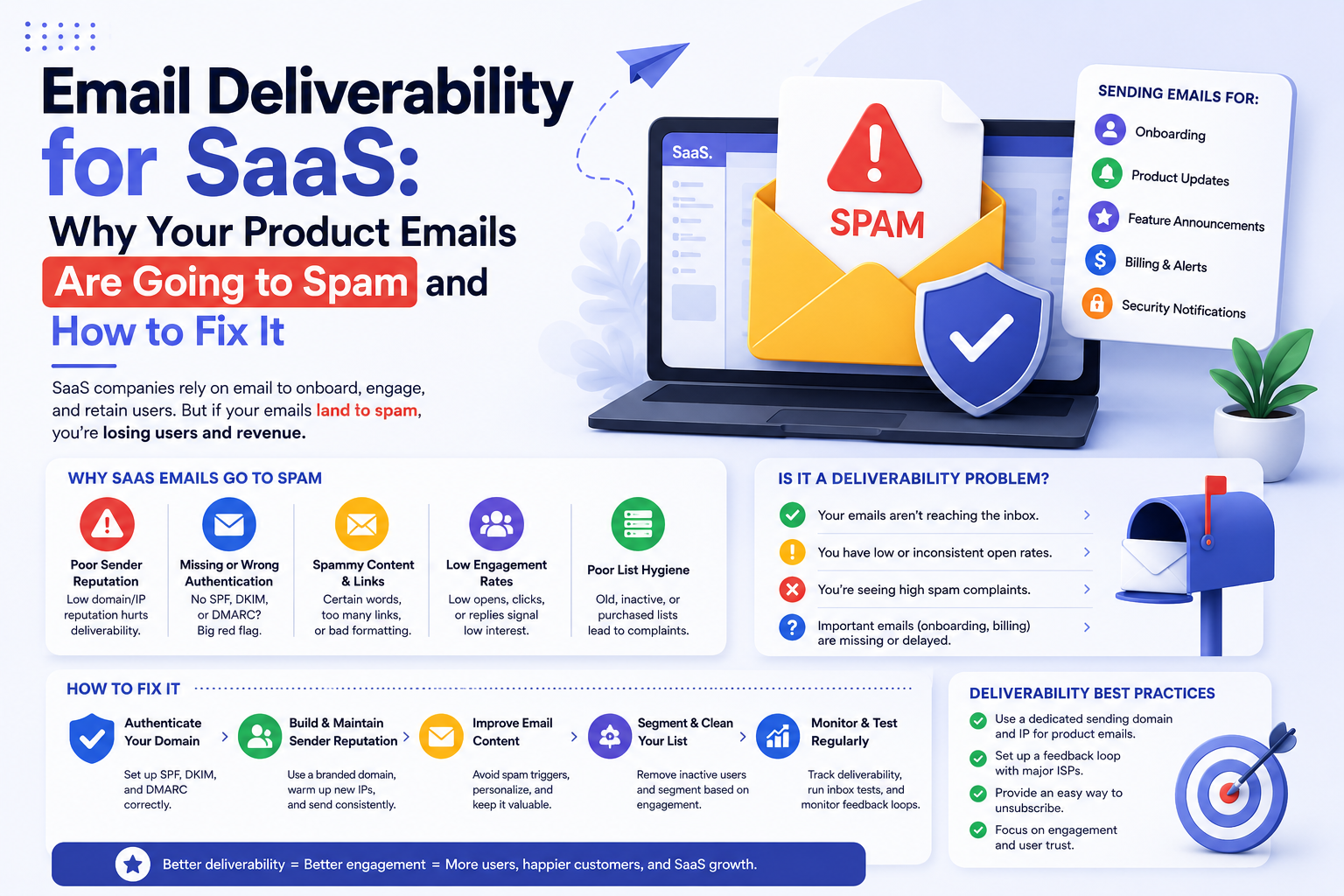
Why Separate Cold Outbound Sending Infrastructure?
Cold outbound emails, often used by SDR teams for prospecting, carry a higher risk of being marked as spam due to their unsolicited nature. By isolating this activity to a separate domain, companies can protect their main domain from potential reputation damage, which can affect all email communications, including those critical to business operations.
The primary domain is often associated with transactional and important business communications. Any negative impact on its reputation can lead to deliverability issues, affecting open rates and engagement. By using a separate domain for cold outreach, businesses can mitigate these risks. This approach also allows for more targeted management of outbound campaigns, enabling better tracking and optimization of email strategies.
How to Set Up a Separate Domain for Cold Outbound Emails?
Setting up a separate domain for cold outbound emails involves several key steps to ensure effective deliverability and compliance. First, choose a domain name that is distinct yet related to the main brand to maintain brand recognition without risking the primary domain's reputation. Next, configure DNS settings, including SPF (Sender Policy Framework), DKIM (DomainKeys Identified Mail), and DMARC (Domain-based Message Authentication, Reporting, and Conformance) records. These authentication protocols are essential for verifying the legitimacy of emails sent from the domain and preventing spoofing.
Once the domain is configured, integrate it with an email service provider (ESP) that supports high-volume sending and provides robust deliverability tools. It's important to gradually warm up the domain by slowly increasing the sending volume to build a positive sender reputation. This process involves sending emails to engaged recipients first and gradually expanding the list as engagement metrics improve.
What Are the Best Practices for Managing Cold Outbound Campaigns?
Effective management of cold outbound campaigns requires adherence to best practices that enhance deliverability and engagement. First, ensure that email lists are clean and targeted. This involves regularly updating and verifying contact information to avoid bounces and spam complaints. Implementing a double opt-in process can further enhance list quality by ensuring that recipients have explicitly consented to receive communications.
Crafting compelling and relevant content is also critical. Emails should be personalized and provide value to the recipient, increasing the likelihood of engagement. Monitoring engagement metrics such as open rates, click-through rates, and spam complaints is essential for identifying issues and optimizing campaigns. Regularly reviewing these metrics allows for timely adjustments to strategies, improving overall performance.
What Are the Risks and Challenges of Cold Outbound Sending?
Despite its potential benefits, cold outbound sending presents several risks and challenges. The primary risk is the potential for spam complaints, which can damage the sending domain's reputation and lead to blacklisting. To mitigate this risk, it's crucial to adhere to email marketing regulations such as the CAN-SPAM Act and GDPR, ensuring that all communications are compliant.
Another challenge is maintaining high engagement rates. Cold emails often have lower open and response rates compared to other types of email marketing. To address this, companies should focus on crafting high-quality, relevant content and continuously optimizing their targeting strategies. Additionally, maintaining a positive sender reputation requires ongoing monitoring and management of email metrics, which can be resource-intensive.
Where Formula Inbox Fits
Formula Inbox works with B2B teams on root-cause deliverability diagnosis, including infrastructure separation projects. With a focus on root-cause diagnosis and a comprehensive approach to deliverability, Formula Inbox helps clients maintain high inbox placement rates and protect their primary domain's reputation. It is particularly suited for B2B companies whose revenue depends on reliable email communication, but it may not be the right fit for those seeking a self-service software solution.